– A visit to the city of UR and hold Mass in the church:
An archaeological site of a Sumerian city located in Tell Al-Muqayr in southern Iraq. It is the city of the father of the prophets, the Prophet Abraham.
It was also the capital of the Sumerian state in 2100 BC.

The most important landmarks of this historical city are:
The outer city wall
The wall, containing six gates, encloses a collection of religious structures in the city, including ziggurats, temples, and other sacred buildings, ensuring their privacy.
Ziggurat
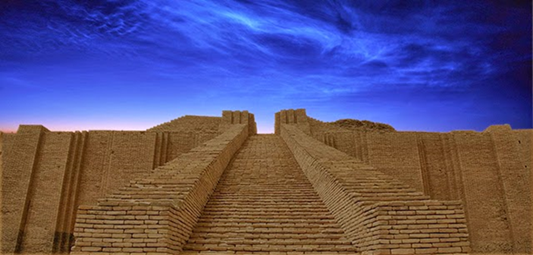
The Ziggurat of Ur, constructed by King Ur-Nammu in 2100 BC, is one of Mesopotamia ‘s most renowned ziggurats and a prominent archaeological monument. This stepped pyramidal tower,
made of bricks, clay, and reeds, was dedicated to the worship of the moon goddess Nanna. Built
by King Ur-Nammu, the founder of the Third Dynasty of Ur, the ziggurat is famous for its
resilience and enduring presence, with its remains still standing today.
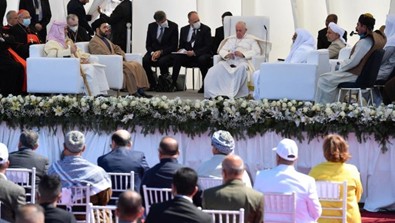
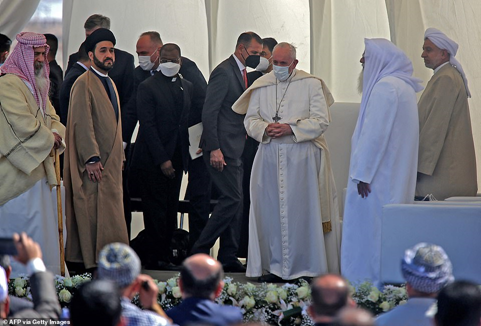
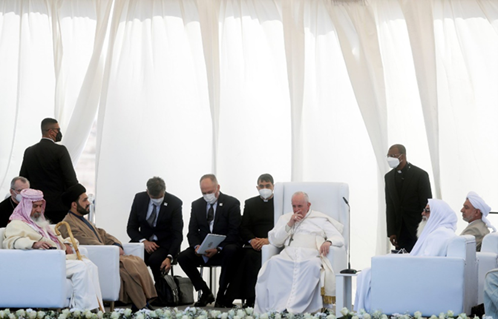
On March 6, 2021, Pope Francis made a historic visit to the ancient city of Ur and the so-called (House of the Prophet Abraham of Hebron)
This visit held both religious and societal
significance. Religiously, it underscored the importance and sanctity of Ur, known as the cradle of
human civilization and home to the (House of the Prophet Abraham Al-Khalil) referenced in
Chapter 11 of the Book of Genesis in the Holy Bible..
Additionally, the sanctity of this site holds significance for followers of the three monotheistic
religions. Socially, the visit aims to promote a spirit of brotherhood, tolerance, and peace among the various religious groups and communities in Iraq.
Pope Francis visit could also elevate DhiQar Governorate to international prominence, transforming the city into a global center for monotheistic religions and a destination for Christian pilgrims and other religious and archaeological tourists, given that Dhi Qar contains over 1,200 archaeological sites.
– A visit to the Iraqi Marshes:
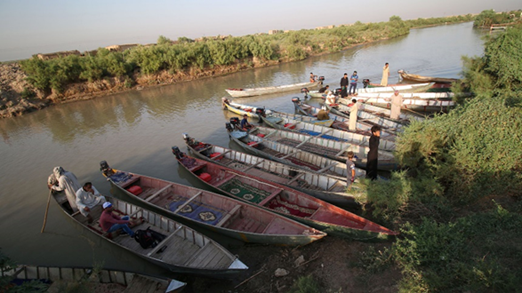
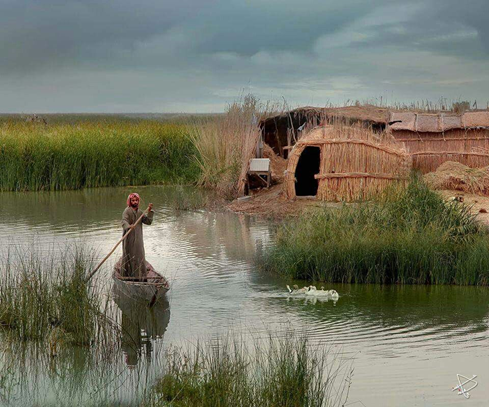
They are vast bodies of water located in southeastern Iraq, and are considered one of the most important wet areas in the world. The Iraqi marshes are characterized by their rich biological diversity, as they include many rare species of animals and plants, It is a popular tourist destination, where visitors can enjoy boating, bird watching, fishing, and experience the traditional life of the marsh residents.