Baghdad is the capital of the Iraqi Republic. Baghdad is located on the banks of the Tigris River, and is divided into two parts, eastern (Rusafa) and western (Karkh), separated by the river. Archaeological excavations have shown that Baghdad was an important human habitat in ancient times dating back to the Assyrian era before it was chosen to be the capital of the Abbasid Caliphate.

History of Baghdad:
Baghdad was founded in 766 AD by the Abbasid Caliph Al-Mansur. He called it the city of peace and the round city.
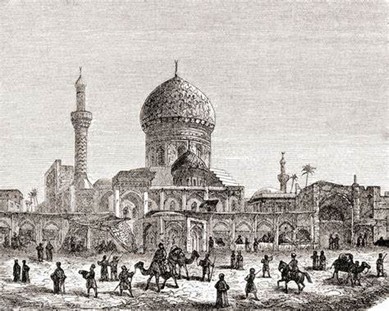
He made four gates for it: the Gate of Khorasan, which was called the Gate of the State, due to the arrival of the Abbasid state from Khorasan, the Gate of the Levant, which is on the side of the Levant, then the Gate of Kufa, which is on the side of the city of Kufa, then the Gate of Basra, which is on the side of the city of Basra, and Al-Mansur had chosen It has this spot of land on both banks of the Tigris River. Baghdad was the capital of the Abbasid Caliphate for more than five centuries, and was an important center of Islamic civilization and culture. Baghdad was invaded and destroyed several times throughout its history, but it remained an important city in the Arab world.
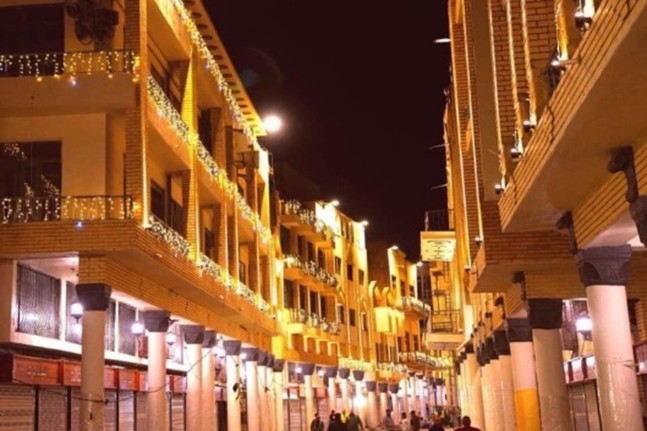
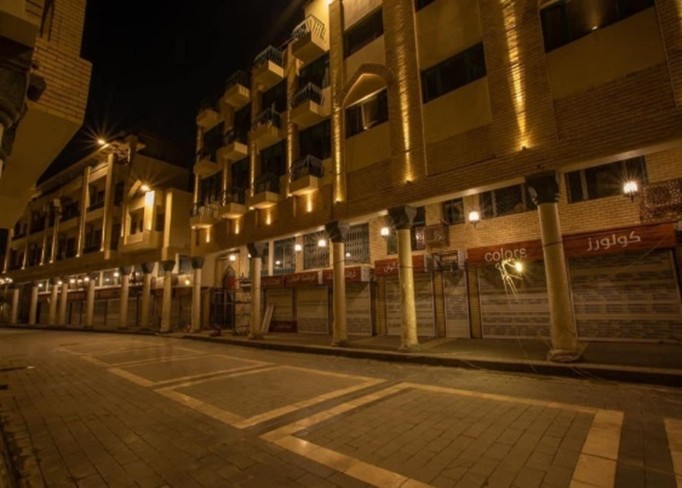
Mutanabbi Street
It is a famous street in the center of the Iraqi capital, Baghdad. It is famous for being a center for selling books and school supplies. It is also known as “Culture Street” and “Writers Street.” Al-Mutanabbi Street was established in 1919.
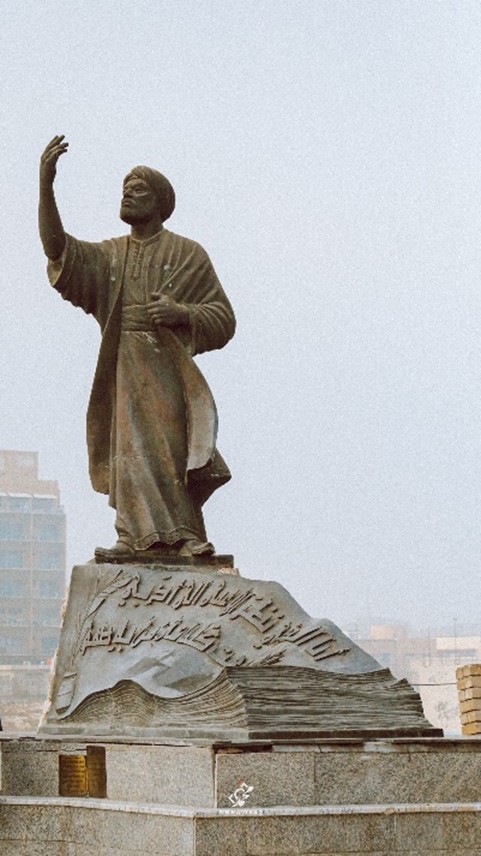
It was named after the famous Arab poet Abu Al-Tayeb Al-Mutanabbi. It turned into an important commercial center, especially after the establishment of Al-Muthanna Library in 1921.
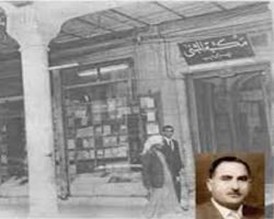
Al-Muthanna Library
It is the oldest library on Al-Mutanabbi Street, and includes a wide collection of Arabic and foreign books.
The Qishla
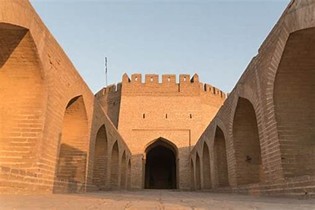
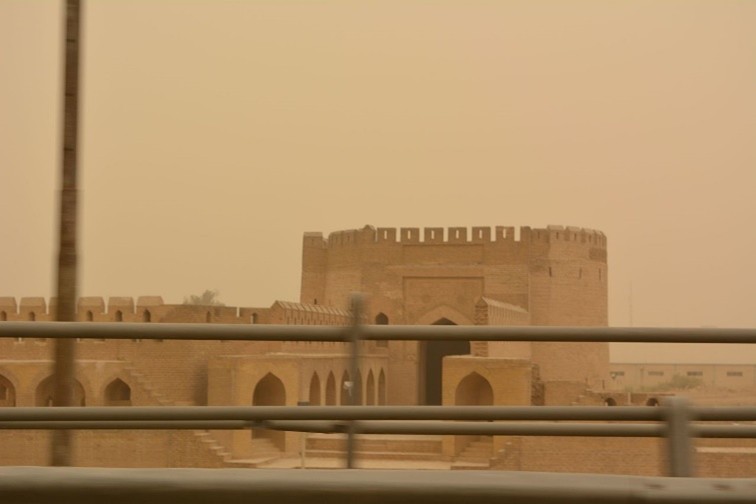
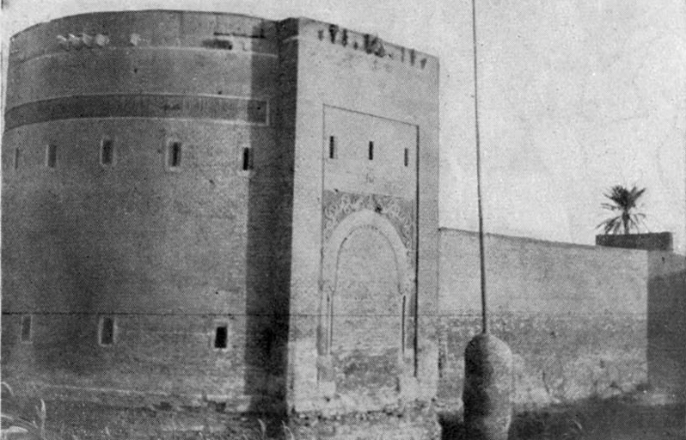
The Qashla building rises 23 meters above the ground, and was one of the tallest buildings in Baghdad at the end of the nineteenth century, when it was used for military purposes. It is currently considered one of the most important heritage buildings in the capital, as it was built from the stones of the Baghdad Wall, which was built before 1855 AD, to protect the city. Baghdad from eastern attacks.
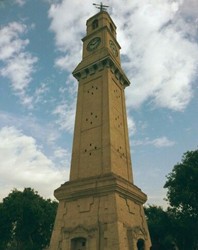
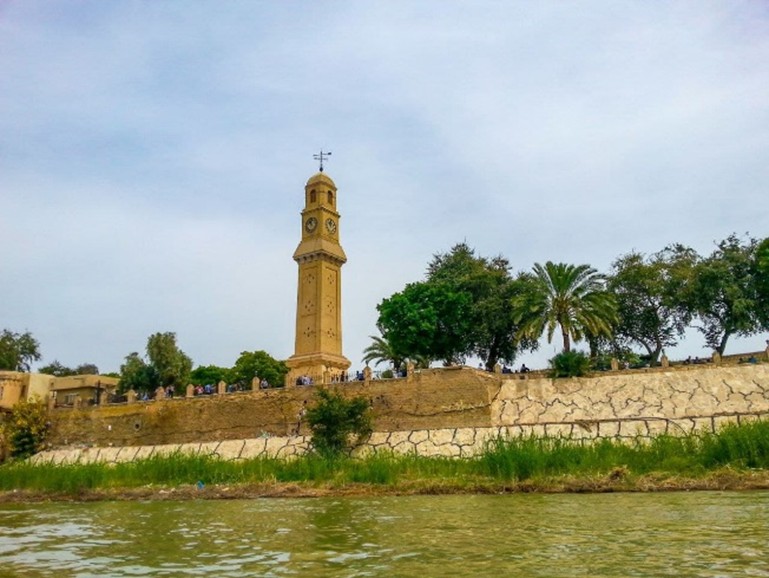
Abu Nawas
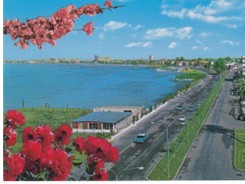
There are several places in the city of Baghdad named after Abu Nawas. Among them is Abu Nawas Street, which extends on the eastern bank of the Tigris River, in a neighborhood that was once one of the city’s landmarks. Abu Nawas Park is located on a 2.5-kilometre stretch between the Republic Bridge and a park that extends to the Karrada River near the 14 July Bridge.
There are several places in the city of Baghdad named after Abu Nawas. Among them is Abu Nawas Street, which extends on the eastern bank of the Tigris River, in a neighborhood that was once one of the city’s landmarks. Abu Nawas Park is located on a 2.5-kilometre stretch between the Republic Bridge and a park that extends to the Karrada River near the 14 July Bridge.
In 1976, a volcanic crater on the planet Mercury was named “Abu Nawas” in his honor.
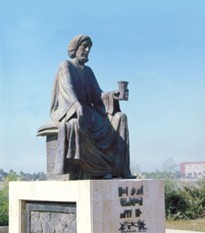
The Abu Nawas statue is located on the Tigris River Corniche in the Iraqi capital, Baghdad.
The statue depicts Abu Nawas sitting on a chair, holding a cup of wine in his hand, and wearing a traditional Arab costume. Abu Nawas is considered one of the most important poets of the Abbasid era. He was famous for his Khumri, romance, and philosophical poetry.
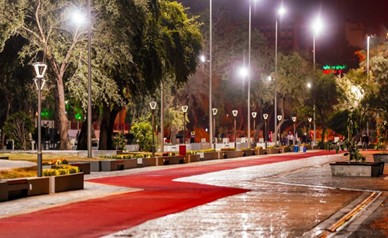
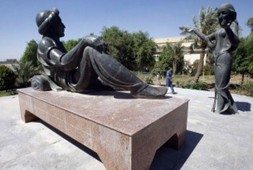
The statue of Scheherazade and Shahrayar is located on the Abu Nuwas Street Corniche in the Iraqi capital, Baghdad, and it is one of the most famous cultural landmarks in the city. The statue was designed by the creative Iraqi sculptor Muhammad Ghani Hikmat, and was inaugurated in 1975, to become a symbol of love, wisdom, and female strength. The statue embodies a scene from the tale “A Thousand The famous “One Night”, where Scheherazade stands with her hand raised as she narrates her stories to King Shahryar sitting in front of her.
Tahrir (freedom) Square
Tahrir (freedom) Square is one of the most important and largest public squares in the center of the capital, Baghdad, in the Bab al-Sharqi area. It is decorated with a large monument known as the Freedom Monument, which was designed and implemented by the Iraqi sculptor Jawad Salim.

Al-Mustansiriya School
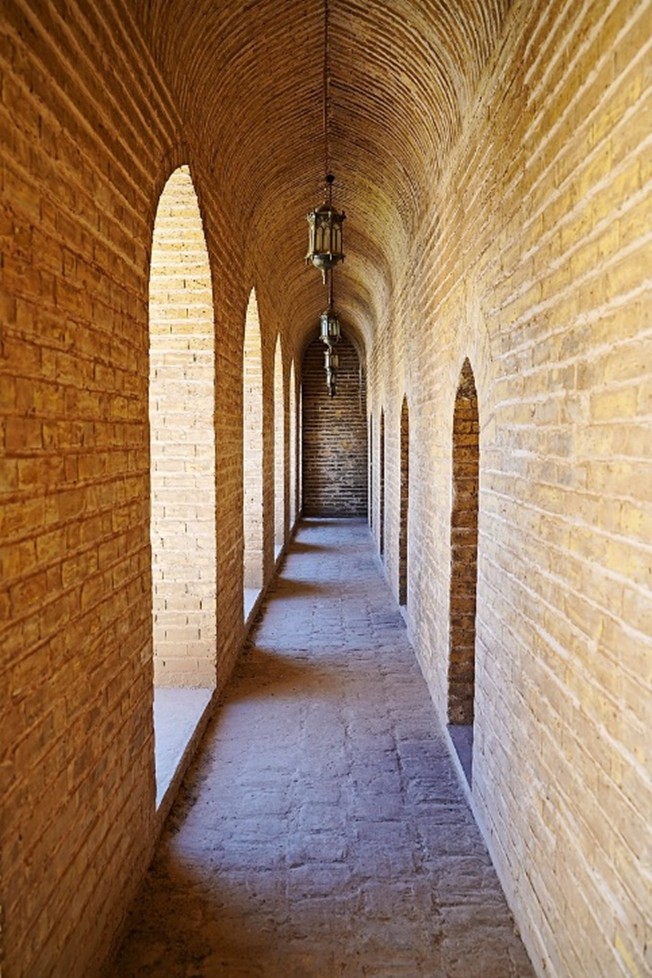
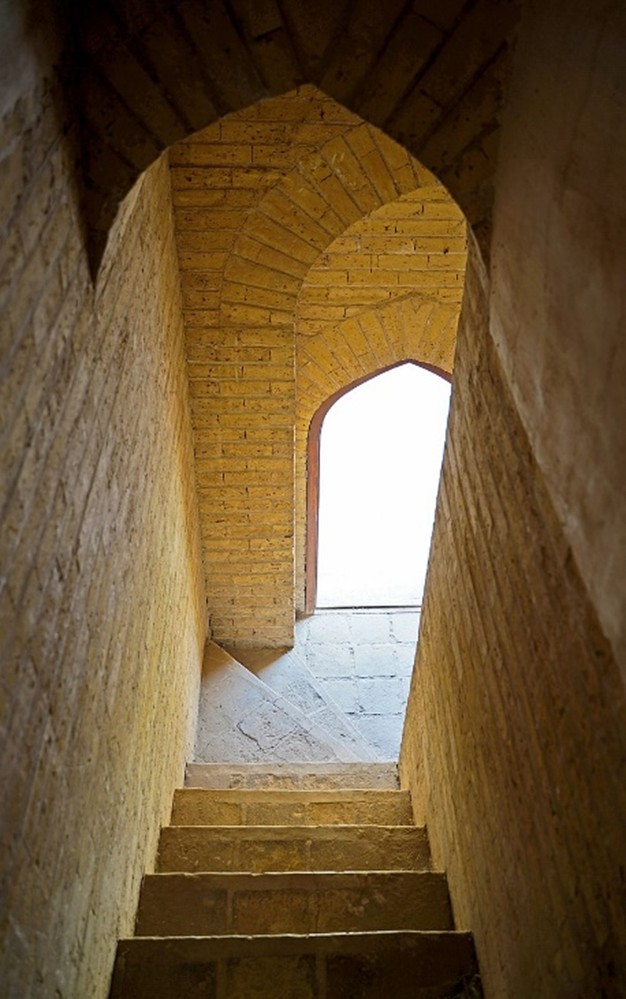
An ancient school founded during the Abbasid Empire in Baghdad in 1233 by the Abbasid Caliph Al-Mustansir Billah, it was an important scientific and cultural center. It is located in the Rusafa side of Baghdad. The school was one of the most important centers of learning in the Islamic world in the Middle Ages.
Al-Mustansiriya was built on an area of 4836 square metres. The school consists of two floors in which one hundred large and small rooms were built, in addition to halls .
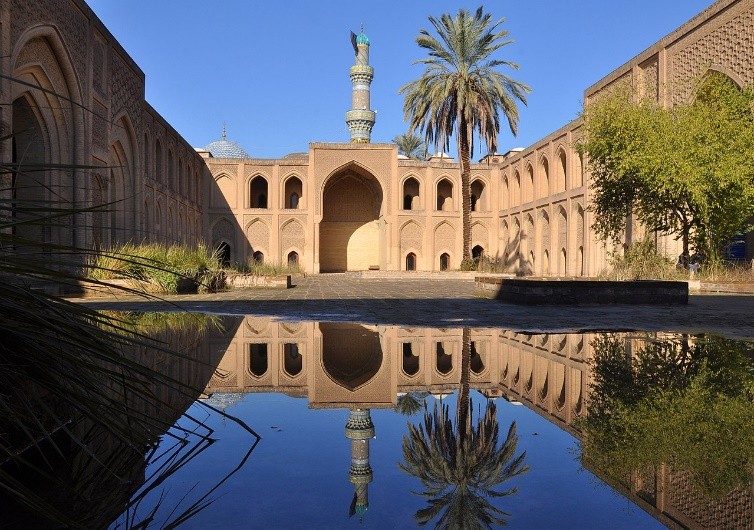
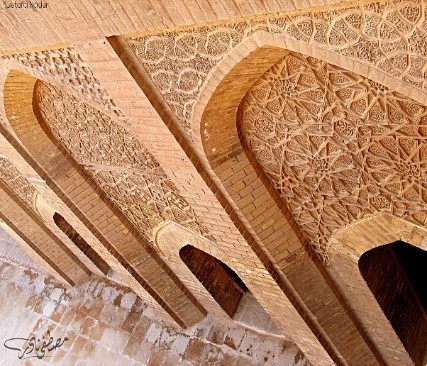
The Iraqi National Museum
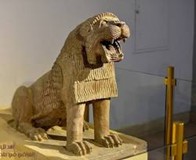
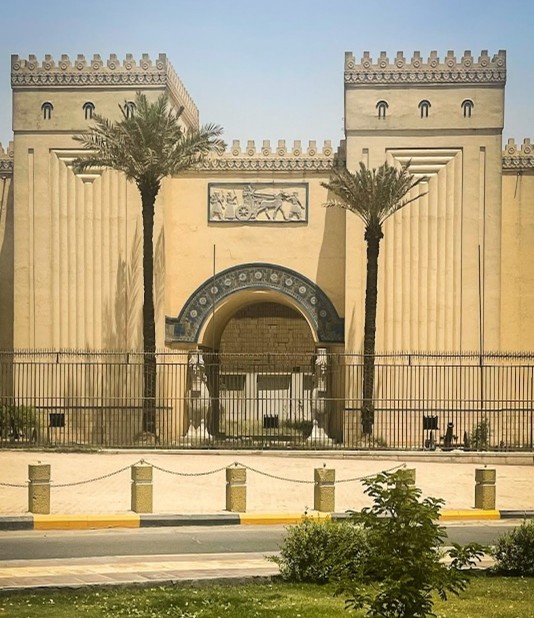
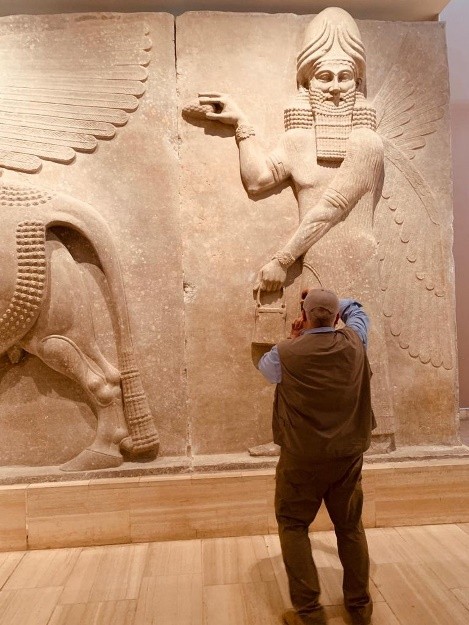
The Iraqi National Museum was established in the city of Baghdad in 1926 AD. The museum includes a wide collection of antiquities from the various civilizations that inhabited Mesopotamia, including the civilizations of Sumer, Babylon, and Assyria.
Its collections are among the most important in the world, and the museum has traditionally displayed collections showcasing the 5,000-year history of Mesopotamia in 28 different galleries.
The museum features an extensive collection of antiquities from the various civilizations that
inhabited Iraq, including the civilizations of Sumer, Babylon, and Assyria.
Some of the historical religious churches:
Kokhi church
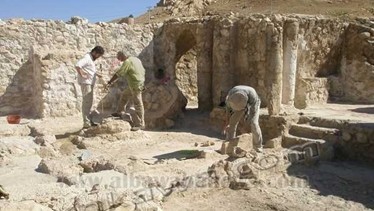
The roots of Christianity in Iraq extend to the first AD, as tradition traces the evangelization of Mesopotamia to Saint Thomas the Apostle and the two disciples Mar Addi and MarMari, who founded the ancient Church of the East and built the first church in Iraq known as the “Kokhi” Church, which was proven by excavations that took place in Last century by German and Italian excavators, its ruins were found in the city of “Veh Aradshir” (Kokhi) in the Al-Mada’in area near Baghdad (about 35 km south of Baghdad).
It is the first church established in the East (the Keldo region) and the seat of the first seat of the Catholics of the East, which is Fava. It became the Christian capital of the Middle and Far East, and from it the good news was transmitted to all parts of the Persian Empire, then India, China, Japan, and others. It is the only church in which the Catholics were ordained in the year 544 AD. Year 1318 AD. The site has sanctity because it contains the relic of the Holy Cross and also contains the remains of a large number of legions and martyrs.
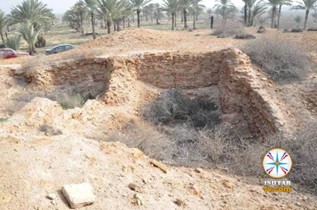
In 1982, the German mission carried out excavations in Seleucia and Ctesiphon, and found the remains of two churches located on a hill in the city of “Fieh Ardashir” (Kochi). However, they are not separate churches, but rather located one above the other.
The first is the old and the second above it is the renewed. The ruins of the building of the lower Kokhi church, that is, the old one, appear in the form of a long rectangular hall with two lines of huge columns adjacent to the two long walls, so that the design resembles many ancient Iraqi buildings, as well as the Parthian and Sasanian ones. Today we can see the ruins of the church without any of its divisions appearing clear. Father Youssef Habi confirms in his article in Bayn al-Nahrain magazine that the results of recent excavations show that “the lower or old church was built with building materials similar to what we find in buildings of the first and second centuries AD in this region of the country.”
Maskanta Church in Baghdad
The Church of Maskanta, or the Church of the Virgin Mary, is located. Maskanta is a Syriac word meaning dwelling or shelter.
The old church is located in Al-Midan Square off Al-Rashid Street. It is believed to be the oldest church built in Baghdad, as it was built in 1640 AD on a plot of land granted by the Ottoman Sultan Murad IV.
Father Kaprielian points out that the Christians built their church on this gifted land and consecrated it in the name of Saint Mary the Virgin (Mary Anna, which means Mother Mary). This was done in the year 1640 AD.
There is a niche in the corner at the far eastern wall of the church containing a marble box containing part of the relics of forty saints who were martyred during religious persecution that occurred in Sebastia (currently Sivas) in the early Christian spread. It is believed that (Kyurek Nazaritan) was the one who brought this relic of the saints, he is also from the town of Sebastia, as he is a native of that land. Kyurek placed it inside the aforementioned niche with a chain tied to the bow and the metal. The Church of Maskanta.
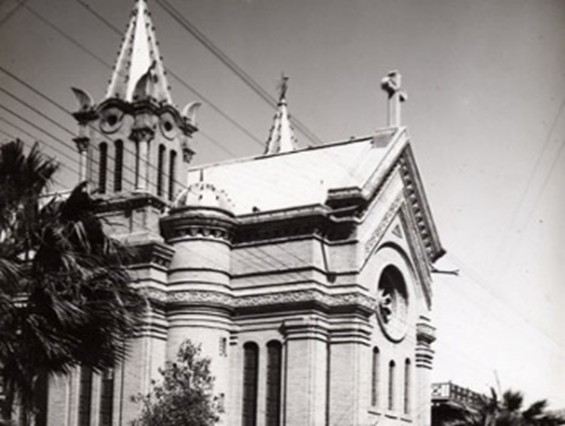
Saint Teresa Church building
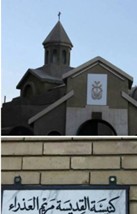
It is located in Al-Sinak in Baghdad and its construction was supervised by engineer Patrick Pierre in 1928. This building was built in 1866 to replace a smaller church building that had been built in 1721 AD.
Our Lady of Deliverance Church
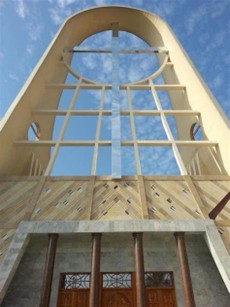
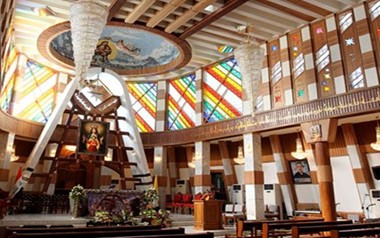
Our Lady of Deliverance Church, or Our Lady of Deliverance Cathedral, is a Catholic church located in the city of Baghdad, the capital of Iraq, and is considered one of the major churches in Baghdad.
Our Lady of Deliverance Church was built in 1952. It was a modest worship hall before the cathedral was built and opened on March 17, 1968 AD.
It was also subjected to a terrorist attack committed against the Christians of Iraq on October 31, 2010, after a terrorist group consisting of 5-15 people carried out an attack that led to the killing of 57 people (children, women and men, including two priests) and dozens of injuries.
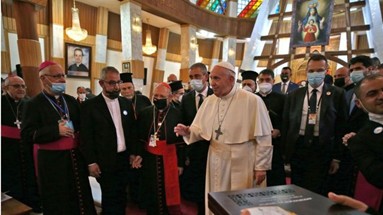
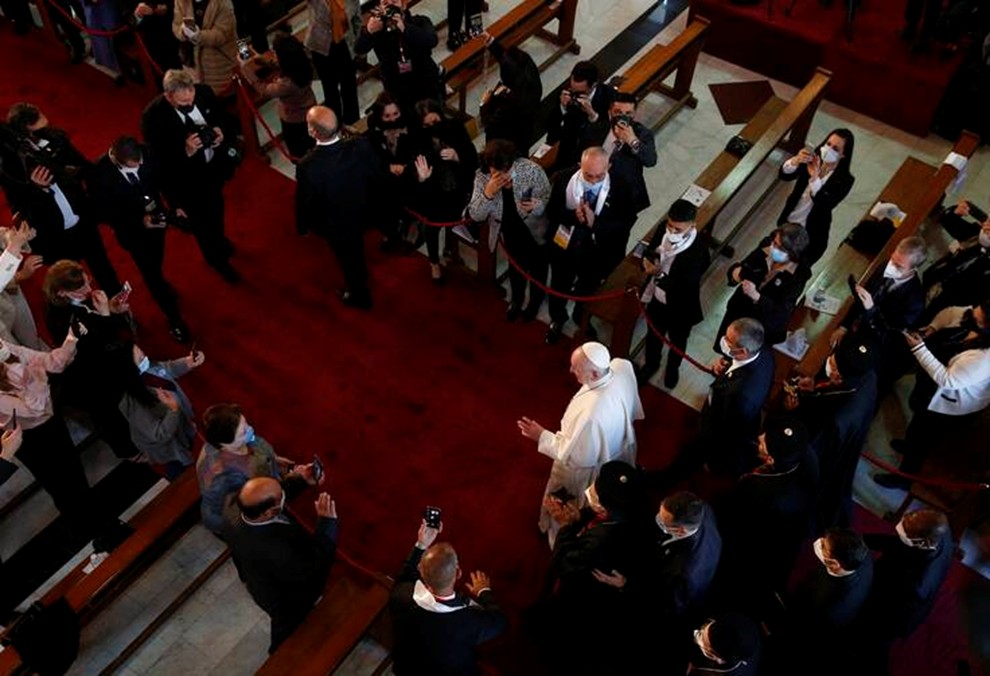
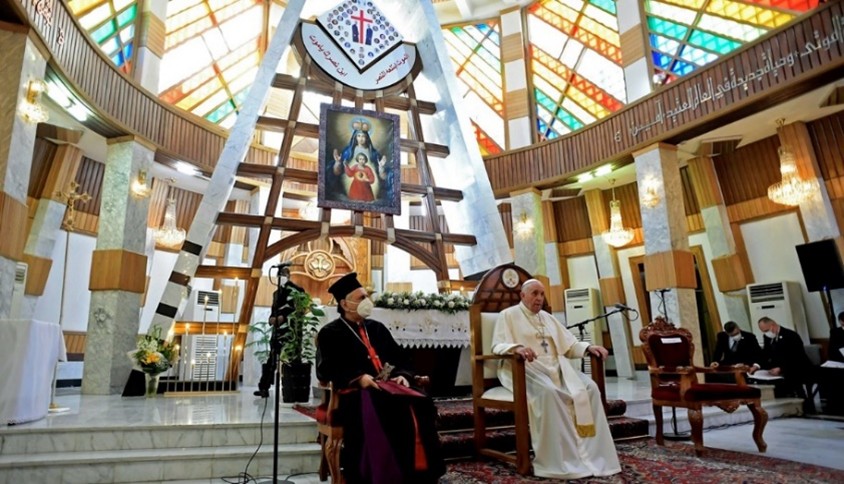
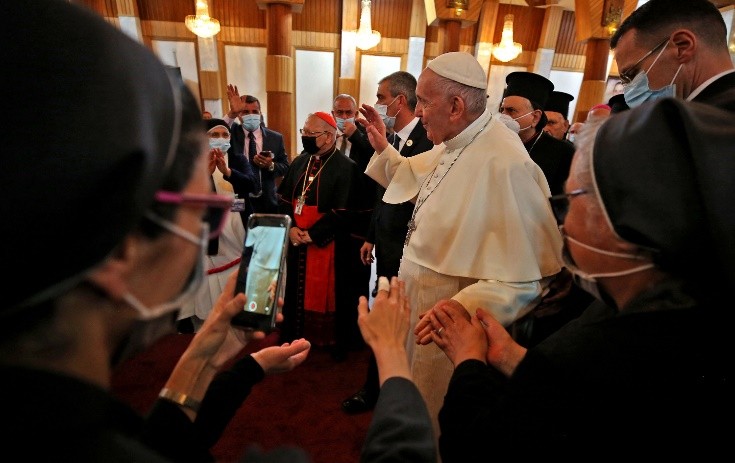
Pope Francis visited the Church of Our Lady of Deliverance in Baghdad on Thursday, March 5, 2021. Pope Francis delivered a speech during the visit, in which he called for peace and reconciliation among all Iraqis, regardless of their religion or ethnicity. He said in his speech during a visit to the church:
“Difficulties are part of your daily life, you Iraqi believers. In recent decades, you have had to face the consequences of war and persecution, the fragility of basic infrastructure, and to constantly struggle
For economic and personal security, which often led to internal displacement and migration of many, including
Christians, to other countries in the world”
He added: “I thank you, dear bishops and priests, for remaining close to your people, for supporting them, and for striving to meet the needs of the people and help each one do his part in serving the common good.”